


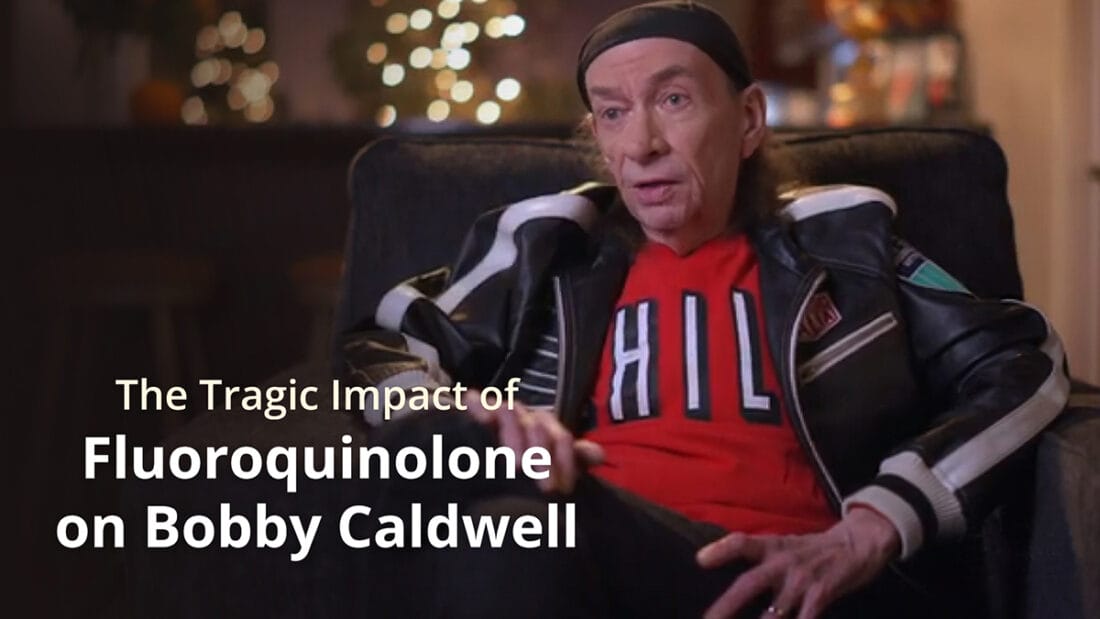
The Tragic Impact of Fluoroquinolone Antibiotics on Bobby Caldwell
Main image credit: TV One
In January 2017, Bobby Caldwell took a common antibiotic for cold symptoms, and within a week his life changed. His wife, Mary Caldwell, has spoken openly about how levofloxacin, a fluoroquinolone antibiotic sold under the brand name Levaquin, left the singer with tendon damage, nerve pain and disability that shadowed the last six years of his life.
At a glance
- Medication
- Levofloxacin (Levaquin), a fluoroquinolone antibiotic
- Prescribed
- January 13, 2017, at an urgent care clinic, for cold symptoms
- What followed
- Damage to both Achilles tendons, peripheral neuropathy, chronic pain and loss of feeling in his fingertips, as Mary describes
- Final show
- February 15, 2020, in Las Vegas
- Died
- March 14, 2023, at home in Great Meadows, New Jersey, at 71
A cold, a prescription and a sudden change
In early 2017, Bobby was getting ready for a 20-show tour of Japan when he came down with a cold. Doctors at an urgent care clinic prescribed levofloxacin, along with cough syrup. As Mary told NBC News, he was prescribed it “with a runny nose and cough.” He took it for seven days.
The change was abrupt. About a week after starting the drug, Bobby could no longer stand. “Everything changed for the worst,” Mary has said.
Six years of pain
According to Mary, the drug damaged both of Bobby’s Achilles tendons and caused peripheral neuropathy, a burning nerve pain that started in his lower legs and spread up his back. He lost feeling in his fingertips, which made playing guitar and piano extremely difficult. His feet became so swollen and misshapen that he couldn’t wear his shoes, he struggled with digestive problems and weight loss, and in time he needed a walker or a helping hand to get around.
The constant pain brought depression with it. Still, Bobby kept singing. He sat through most of his later shows and played his final concert in Las Vegas on February 15, 2020.
He died at home on March 14, 2023. Announcing his death, Mary wrote that he had been “floxed,” a word patients use for serious reactions to fluoroquinolones, and that it had taken his health over the previous six years.

What are fluoroquinolones?
Fluoroquinolones are a class of broad-spectrum antibiotics that includes levofloxacin (Levaquin), ciprofloxacin (Cipro), moxifloxacin (Avelox) and ofloxacin. They can be important, even lifesaving, treatments for serious bacterial infections. They can also cause rare but serious side effects that may be disabling and, in some cases, permanent.
Most colds are caused by viruses, and antibiotics don’t treat viral infections.
What the FDA has said
The U.S. Food and Drug Administration has strengthened its warnings about fluoroquinolones several times:
- 2008: A boxed warning, the FDA’s strongest, about the increased risk of tendinitis and tendon rupture.
- 2013: Label updates warning that peripheral neuropathy, a type of nerve damage, can occur soon after starting the drugs and may be permanent.
- 2016: The FDA concluded that for acute sinusitis, acute bronchitis and uncomplicated urinary tract infections, the risks generally outweigh the benefits, and that fluoroquinolones should be reserved for patients with no other treatment options. Warnings now describe disabling and potentially permanent side effects involving the tendons, muscles, joints, nerves and central nervous system, which can occur together.
- 2018: Further warnings about dangerously low blood sugar, mental health side effects, and a rare risk of tears or ruptures in the aorta.
Mary’s mission
Mary shares Bobby’s story so that others can make informed choices. After she announced his death in March 2023, millions of people searched for information about fluoroquinolone side effects. She has said she wouldn’t want anyone else to suffer the same fate.
When you’re given a new prescription, Mary encourages you to ask your doctor:
- What is this medication?
- What side effects can it cause?
- Does it carry a boxed (“black box”) warning?
- Would you take it yourself?
Please note: This article shares the Caldwell family’s experience and public FDA safety information. It is not medical advice. If you are taking a fluoroquinolone and notice tendon pain, numbness, tingling or other unusual symptoms, contact your healthcare provider right away, and don’t stop or change a prescribed medication without talking to them first. You can report side effects to the FDA through MedWatch or by calling 1-800-FDA-1088.
Remembering Bobby
His illness took a great deal from him, but it never defined him. Bobby gave the world “What You Won’t Do for Love,” “My Flame” and “Heart of Mine,” wrote hits for other artists and spent more than four decades singing for fans around the world.
Frequently asked questions
What does “floxed” mean?
“Floxed” is a term patients use to describe serious, often lasting side effects from fluoroquinolone antibiotics such as levofloxacin (Levaquin) and ciprofloxacin (Cipro).
What antibiotic did Bobby Caldwell take?
According to his wife, Mary, Bobby was prescribed levofloxacin (Levaquin), a fluoroquinolone antibiotic, at an urgent care clinic in January 2017 for cold symptoms.
What side effects can fluoroquinolones cause?
The FDA warns that fluoroquinolones can cause disabling and potentially permanent side effects involving the tendons, muscles, joints, nerves and central nervous system, which can occur together. It also warns about low blood sugar, mental health effects and a rare risk of aortic tears or ruptures.
How can I report a side effect from a medication?
Tell your healthcare provider, and report it to the FDA’s MedWatch program online or by calling 1-800-FDA-1088.
Keep exploring
Sources
- Katie Couric Media, “Bobby Caldwell’s Wife Opens Up About the Singer’s Torturous Final Years” (April 2023)
- NBC News, “What You Won’t Do for Love” singer Bobby Caldwell dies at 71
- Fox News, Bobby Caldwell dead at 71
- CIDRAP, “FDA issues safety warning on fluoroquinolone antibiotics” (May 2016)
- FDA, MedWatch safety information and adverse event reporting
The newsletter
Stay close to Bobby’s music
Be the first to hear about new limited-edition records and merch, news from the Caldwell family and upcoming events.